Japandi Interior Design Guide: Calm Rooms with Warm Minimalism
Learn how to create Japandi interiors with natural materials, low furniture, quiet colors, storage discipline, lighting, and negative space.
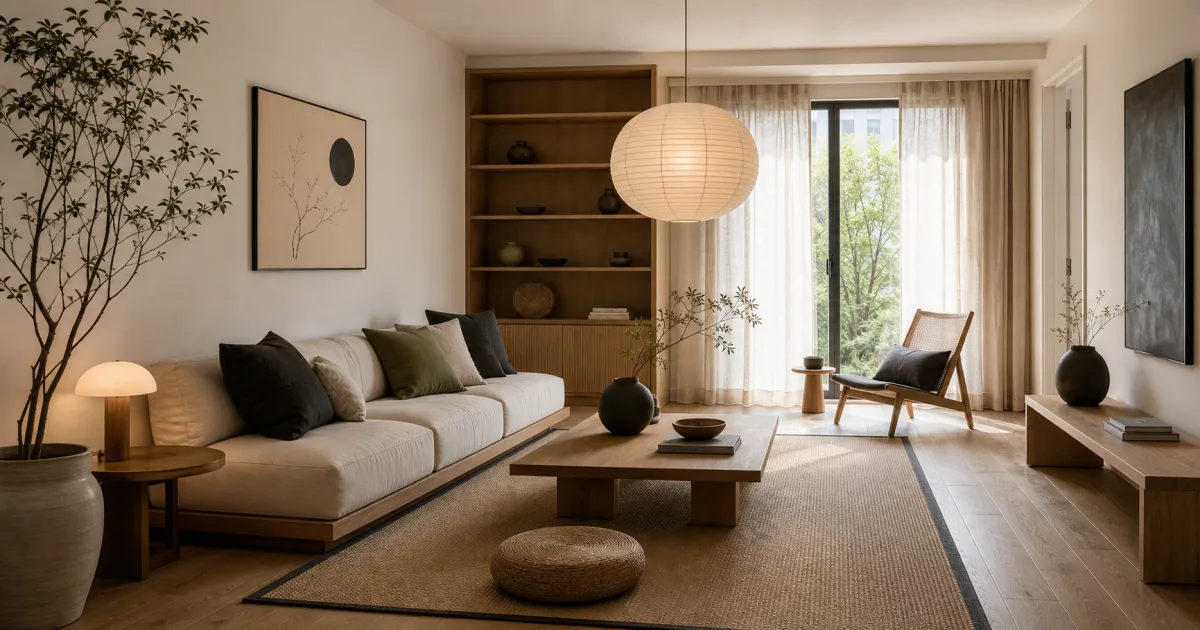
Japandi design combines Japanese restraint with Scandinavian warmth. It is calm, practical, and edited, but it should not feel empty or staged. The style works best when the room supports daily life with fewer, better choices.
The key is not buying everything in beige. It is balancing material, proportion, storage, and silence.
Start with Function
Japandi rooms look simple because the layout is resolved. Decide what the room must do first: seating, dining, sleeping, reading, working, or hosting. Remove furniture that does not support those activities.
Use Aedifex to test low furniture, clear walkways, and storage placement. Negative space only feels intentional when the practical needs are already handled.
Choose Natural Materials
Wood, linen, cotton, paper, ceramic, stone, and woven textures carry the style. Mix smooth and rough surfaces so the room feels human. Light oak, ash, walnut, blackened wood, and pale plaster can all work if the palette stays controlled.
Avoid matching every wood tone exactly. A room often feels richer when the tones are related but not identical.
Keep the Palette Quiet
Use warm whites, soft grays, muted greens, sand, charcoal, and natural wood. Add contrast through shadow and texture rather than many accent colors.
If the room feels flat, add one darker anchor: a black lamp, dark ceramic, walnut table, or charcoal textile.
Store More Than You Display
Japandi interiors depend on storage discipline. Open shelves should hold fewer objects with space around them. Daily clutter needs closed storage, baskets, drawers, or a clear landing zone.
This is especially important in apartments, where one visible pile can change the whole mood.
Light the Room Softly
Use warm, indirect light and low lamps. Paper-like pendants, wall lights, and shaded table lamps suit the mood better than harsh ceiling brightness.
For related style foundations, compare this with the Scandinavian Interior Design Guide, then plan your room through Interior Design.
Layout Principles for Each Room
In a Japandi living room, start with one low seating group and one clear surface. A low sofa, wood coffee table, floor cushion, and quiet rug can be enough. Leave space around the furniture so the room reads as calm instead of sparse. If the room needs a TV, hide the cables and keep the media unit low and simple.
In a bedroom, the bed should feel grounded. Use a simple platform frame, plain bedding, warm lamps, and one or two natural textures. Avoid filling both sides with identical decorative objects. Symmetry is less important than balance.
In a dining area, use a wood table, comfortable chairs, and one pendant or wall light. The table should have room around it; a beautiful chair scraping a wall every day breaks the mood. If storage is nearby, choose closed fronts or woven baskets so tableware does not become visual clutter.
In an entryway, use the style as discipline. One bench, one mirror, one shoe solution, and one tray usually beat a decorative console full of small objects.
Color and Material Combinations
Japandi works best when the palette is warm but restrained. Try warm white walls, pale oak, black metal, oatmeal linen, and one muted green or clay accent. Or use soft gray walls, walnut, paper shades, ivory textiles, and charcoal ceramics.
Do not mix too many wood species. Two wood tones are usually enough: one light tone for large surfaces and one darker tone for small anchors. If the floor is already orange or glossy, balance it with matte textiles and quieter wall colors.
Texture carries the design. Pair smooth plaster with woven baskets, matte ceramics with linen, or a plain sofa with a rough wood table. The room should reward close looking without shouting from the doorway.
What to Avoid
Avoid treating Japandi as beige minimalism. A room with no storage, no contrast, and no daily function becomes bland. The style needs practical decisions: where shoes go, where books go, where work items disappear, and where light lands in the evening.
Avoid too many small accessories. One large branch in a ceramic vase can do more than ten little objects. Negative space is part of the composition, but only when the useful objects have a real home.
Avoid furniture that is only low because it looks stylish. Low seating is uncomfortable for some people. If older adults or guests use the room often, choose standard seat heights and keep the Japandi feeling through materials, lighting, and restraint.
FAQ
Can Japandi work in a rental? Yes. Use removable curtains, freestanding storage, warm lamps, natural textiles, and fewer objects. You do not need built-ins or new flooring to get most of the effect.
Does Japandi have to be expensive? No. Spend on the pieces touched every day: sofa, bed, dining chairs, lamps. Keep accessories minimal and let texture do the work.
How do I keep it from feeling empty? Add warmth through layered lighting, textiles, books, plants, and wood grain. The room should feel edited, not abandoned.
Japandi Interior Design Guide: Calm Rooms with Warm Minimalism
Assume a living room already contains useful furniture but feels visually crowded. Use Japandi as a selective material-and-storage exercise rather than replacing everything with a themed shopping list.
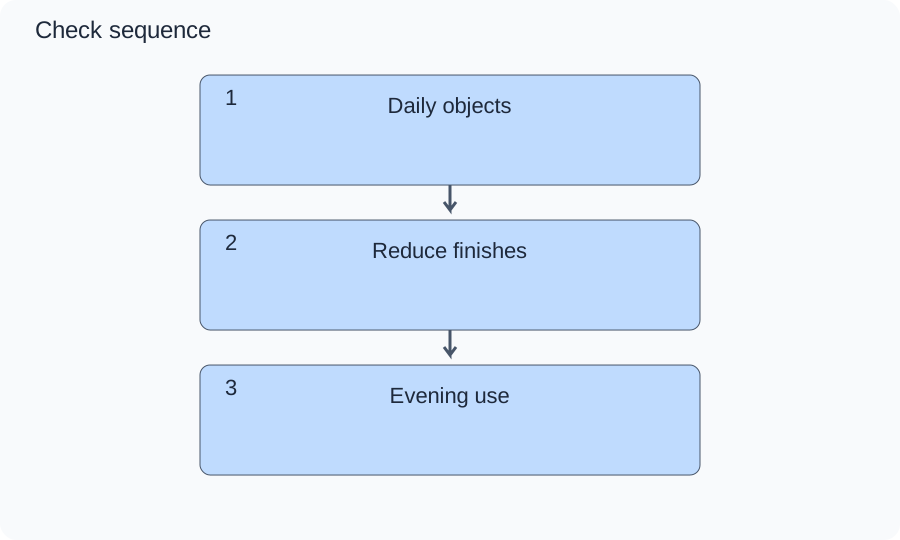
The workflow inventories daily objects, reduces finishes and tests evening use. Its evidence boxes ask where the actual chargers and papers go before approving the calm material composition.
Numbers and marks identify the items described here; use the stated dimensions rather than measuring the screen.
1–3 refer to the evidence steps below. A highlighted step is selected, not automatically verified.
| Step / option | What to check |
|---|---|
| 1. Daily objects | Lay out the chargers, papers and blankets used in an ordinary evening. Allocate a reachable home for each before choosing decorative objects. |
| 2. Reduce finishes | Place the proposed wood, wall and fabric samples beside the existing sofa. Remove a competing finish and record what visual focus remains. |
| 3. Evening use | Put the daily items away and switch to the normal evening lamp. Reject a composition that looks calm only while practical items remain hidden elsewhere. |
Changed conditions and evidence
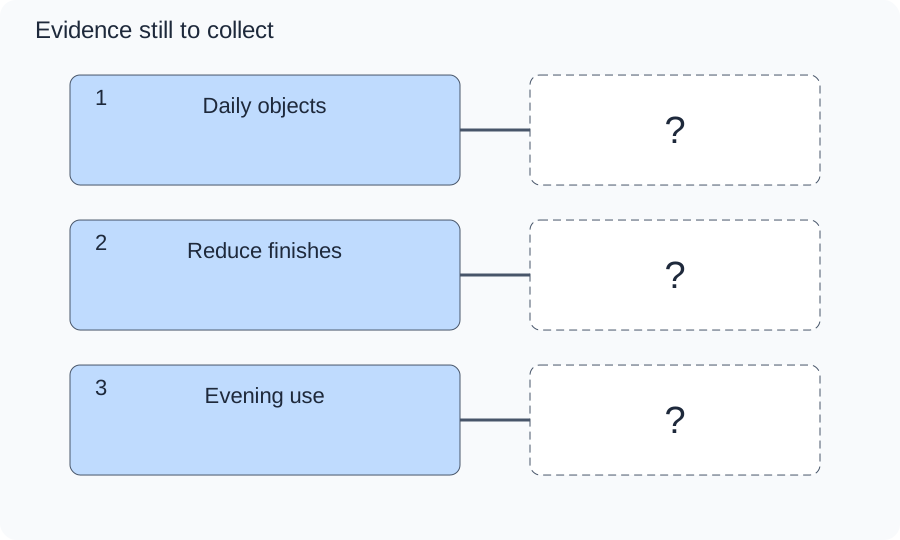
If a pale natural-material scheme leaves nowhere for chargers and papers, add appropriate closed storage before decorative bowls. This reduces the open display area but makes the intended quiet appearance sustainable in normal use.
The question marks are evidence still to obtain, not a completed check.
Put the actual daily items away, then sit under the evening light with material samples together. Keep a finish only if it works with existing furniture and maintenance needs; the exercise does not rank cultures or certify an authentic style.
TRY THE EXAMPLE
Japandi Interior Design Guide: Calm Rooms with Warm Minimalism
Assume a living room already contains useful furniture but feels visually crowded. Use Japandi as a selective material-and-storage exercise rather than replacing everything with a themed shopping list.
Lay out the chargers, papers and blankets used in an ordinary evening. Allocate a reachable home for each before choosing decorative objects.
Put the actual daily items away, then sit under the evening light with material samples together. Keep a finish only if it works with existing furniture and maintenance needs; the exercise does not rank cultures or certify an authentic style.
Teaching assumptions, not a surveyed home or a construction check. Results describe this simplified geometry or budget only. Changes stay on this page and reset on reload.