Nursery Room Layout Planner: Crib, Chair, Changing, Storage
Plan a nursery around safe sleep, feeding, changing, storage, blackout curtains, night lighting, and future toddler use.
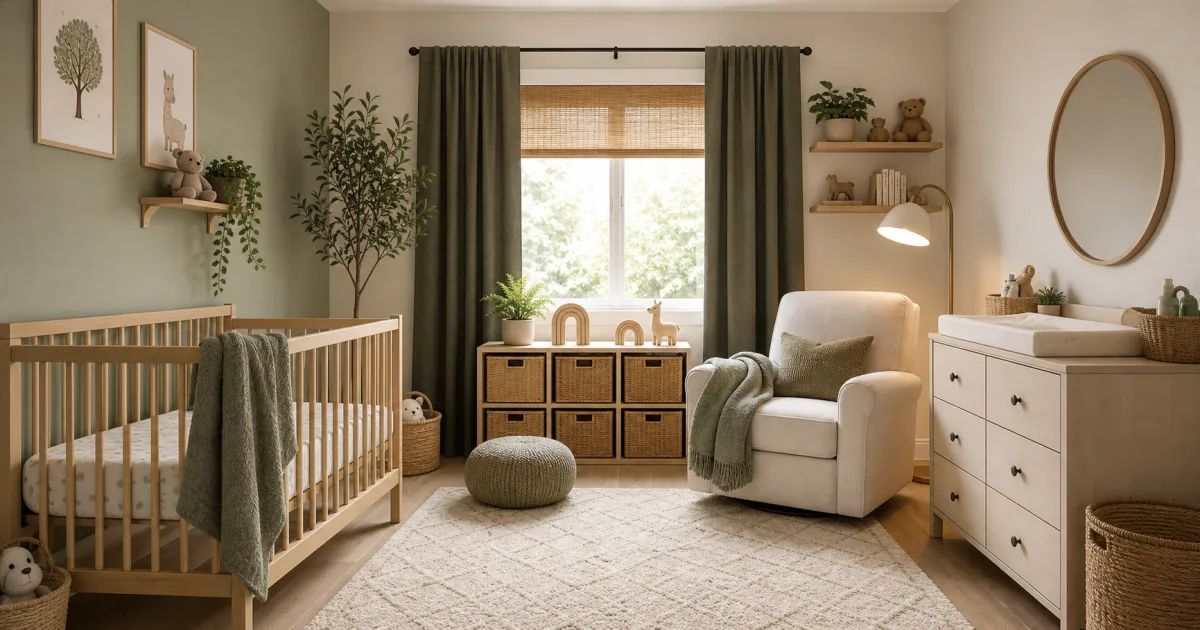
A nursery is a small bedroom with a demanding routine. It needs safe sleep, night feeding, changing, storage, laundry handling, and quiet movement when everyone is tired. Decoration matters, but the layout matters more.
Start with the crib, then build the room around the daily sequence.
Place the Crib First
Keep the crib away from windows, cords, heaters, heavy shelves, and anything a child could pull down later. The crib should be easy to reach from the door without crossing a cluttered floor in the dark.
In Aedifex, test the crib with door swings, dresser drawers, and chair clearance. A nursery can look spacious until the rocking chair is reclined or a drawer is open.
Build the Feeding Zone
The chair needs light, a small table, and space for an adult to stand up while holding the baby. Put burp cloths, water, books, and charging access nearby. If the room is small, a compact upholstered chair may work better than a large glider.
Avoid placing the feeding chair where it blocks the closet or the main night path.
Make Changing Practical
A changing dresser is often more useful than a dedicated changing table because it lasts longer. Store diapers, wipes, cream, extra clothes, and a laundry bin within reach.
Keep the surface clear. Wall shelves above the changing area can be beautiful, but they should not hold heavy objects.
Control Light and Sound
Blackout curtains help naps, but the room also needs soft night lighting for late changes. Use a dimmable lamp or low wall light rather than turning on the ceiling fixture.
Rugs, curtains, and upholstered pieces reduce echo. They also make the room feel calmer without filling every wall.
Plan for Growth
Leave space for a future toddler bed, toy storage, or reading corner. Choose a dresser and storage bins that will still work after bottles and diapers are gone.
For children sharing a room later, read Shared Kids Room Layout Ideas. For the broader bedroom shell, start with Bedroom Design.
Nursery Zones That Need Clear Paths
A nursery works best when the night routine is almost automatic. The path from door to crib should be clear. The path from crib to changing dresser should be short. The path from chair to crib should not cross toys, baskets, or sharp furniture corners.
Think in three zones: sleep, care, and storage. The sleep zone is the crib and the quiet wall around it. The care zone is the changing surface, diaper storage, laundry bin, and trash. The storage zone holds clothes, bedding, backup diapers, books, and future toddler items.
Avoid spreading the care items across the room. If wipes are in one cabinet, diapers in another, and laundry behind the chair, every change becomes harder. Keep the daily items within one reach zone, then store bulk supplies higher or in a closet.
Safety and Comfort Checks
Safety advice changes and local standards matter, so verify current crib, cord, window, and furniture rules before final setup. From a layout perspective, avoid placing the crib near blinds cords, curtain pulls, heaters, open shelving, heavy art, or furniture that could become a climbing route.
Comfort matters for adults too. A nursery can be safe but miserable if the chair is too cramped, the lamp is too bright, or the changing height strains your back. Leave space beside the chair for an adult to stand while holding the baby. Put a soft, dim light near the changing zone so night care does not require turning on the ceiling fixture.
Small Nursery Ideas
In a small nursery, use a dresser as the changing table, wall shelves for light items, and baskets inside the closet. A mini crib can help, but only if it fits the family's timeline. Do not buy smaller furniture without checking how long it will be useful.
Use vertical storage carefully. Tall cabinets should be anchored and should not crowd the crib wall. If the room has one window, keep bulky furniture away from it so daylight reaches the floor and chair.
Common Mistakes
The first mistake is decorating before planning routines. A beautiful mobile, rug, or wallpaper will not fix a chair that blocks the closet.
The second is using open storage for everything. Nurseries already contain many small objects. Closed drawers and labeled bins keep the room calmer.
The third is ignoring growth. The crib, changing pad, feeding chair, and toy storage will change faster than adult bedroom furniture. Leave one flexible wall for the next phase.
Quick Planning Checklist
Before buying furniture, test the room with the crib, chair, dresser, hamper, rug, door swing, and closet doors all active. Then walk the night routine: enter quietly, reach the crib, sit for feeding, change the baby, drop laundry, and leave without turning on harsh light. If that route works, the nursery is ready for decorating confidently.
Nursery Room Layout Planner: Crib, Chair, Changing, Storage
Independent teaching assumptions: In a separate nursery teaching scenario, compare putting the feeding chair beside changing storage with putting it by a window. Rehearse a feed, supply retrieval and return to the crib without assuming any furniture arrangement guarantees safe sleep.
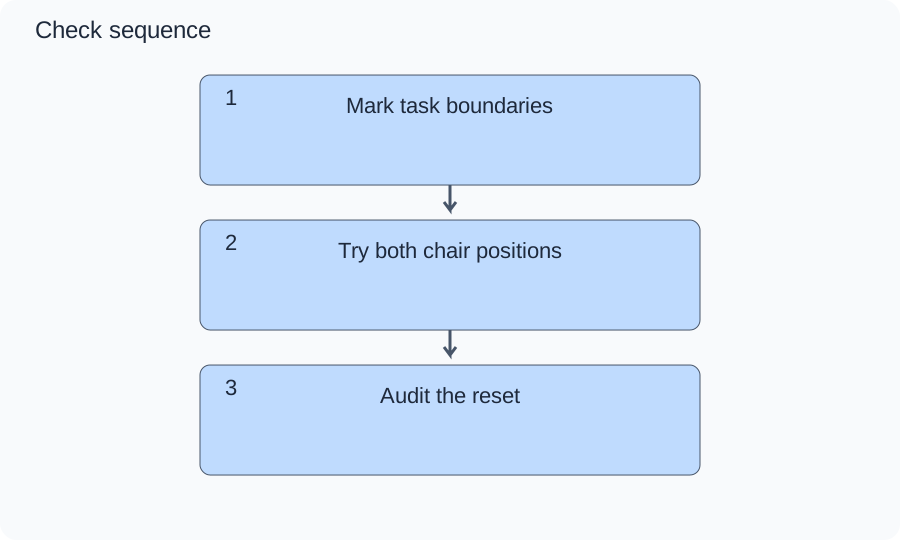
The steps separate approved sleep, two chair trials and the final reset. The second diagram asks for evidence at each step; it does not map actual crib clearances or imply that a chair is a suitable infant sleep surface.
Numbers and marks identify the items described here; use the stated dimensions rather than measuring the screen.
1–3 refer to the evidence steps below. A highlighted step is selected, not automatically verified.
| Step / option | What to check |
|---|---|
| 1. Mark task boundaries | Identify the approved sleep surface and keep supplies out of it. Mark a separate changing surface and its required supervision routine. |
| 2. Try both chair positions | Carry a doll and reach for the items normally needed during a feed. Reject a position that relies on unsafe leaning, dangling cords or resting the doll on an unsuitable surface. |
| 3. Audit the reset | Remove feeding accessories and return supplies to storage. Check the crib area against guidance again, rather than marking the room safe because the route was short. |
Changed conditions and evidence
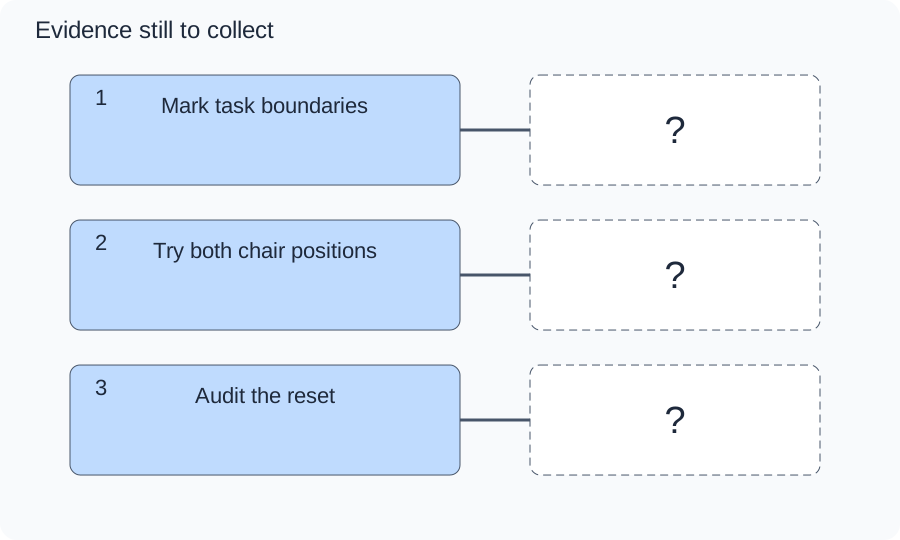
If the window position introduces blind cords or forces supplies across the crib, choose the storage-side chair after checking its own surroundings. This sacrifices the view while shortening the supply route; it does not reduce the crib’s requirements.
The question marks are evidence still to obtain, not a completed check.
Use an empty crib and a doll to rehearse both chair locations with actual supplies. Verify crib, changing furniture, cord control and safe-sleep practice using current authoritative guidance and product instructions.
TRY THE EXAMPLE
Nursery Room Layout Planner: Crib, Chair, Changing, Storage
Independent teaching assumptions: In a separate nursery teaching scenario, compare putting the feeding chair beside changing storage with putting it by a window. Rehearse a feed, supply retrieval and return to the crib without assuming any furniture arrangement guarantees safe sleep.
Identify the approved sleep surface and keep supplies out of it. Mark a separate changing surface and its required supervision routine.
Use an empty crib and a doll to rehearse both chair locations with actual supplies. Verify crib, changing furniture, cord control and safe-sleep practice using current authoritative guidance and product instructions.
Teaching assumptions, not a surveyed home or a construction check. Results describe this simplified geometry or budget only. Changes stay on this page and reset on reload.