Accent Wall Ideas for Small Rooms: Color, Texture, Shelves
Use an accent wall in a small room without making it feel cramped, with better color, material, lighting, furniture scale, and focal points.
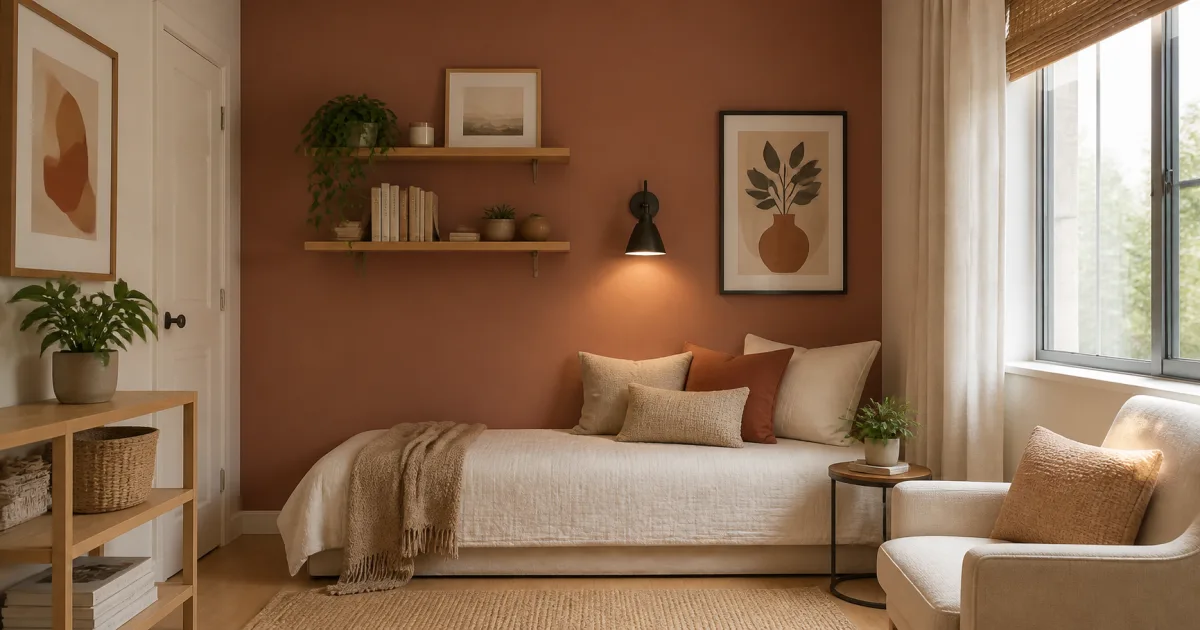
An accent wall can help a small room when it gives the eye a clear focus. It can also make the room feel smaller if the color is too heavy, the pattern is too busy, or the furniture fights it.
Start by deciding what the wall should do: frame the bed, anchor a desk, make a reading corner, or add depth behind the sofa.
Pick the Right Wall
The best accent wall is usually the wall you see first or the wall behind the main furniture. In a bedroom, that is often the headboard wall. In a living room, it may be the sofa wall or media wall.
Avoid accenting a wall with too many doors, switches, or random furniture pieces. A broken wall makes the feature look accidental.
Use Color with Restraint
Small rooms can handle color, but the undertone matters. Muted clay, olive, slate, warm gray, deep blue, or soft plaster tones are easier to live with than pure bright colors.
If the room has little daylight, test samples at morning, afternoon, and evening. A color that looks elegant online can turn heavy under weak light.
Add Texture Instead of Noise
Texture can be paint finish, wood slats, limewash, wallpaper, fabric panels, or shallow shelves. Keep the surface simple if the room already has patterned rugs, bedding, or art.
For rentals, framed panels, removable wallpaper, or a painted freestanding screen may be safer than permanent wall treatment.
Light the Wall
An accent wall needs light. Use a sconce, picture light, floor lamp, or warm ceiling wash. Without light, the wall becomes a dark block.
In Aedifex, check how furniture sits in front of the feature. A wall may look great empty but fail once a bed, desk, or sofa blocks half of it.
Keep Furniture Scaled
Do not use an accent wall as permission to overfill the room. Keep side tables, shelves, and art proportional. The wall should organize the space, not ask for more objects.
For small-space planning, pair this guide with Small Room Lighting or start from the Room Planner.
Small-Room Accent Wall Formulas
The safest formula is one calm wall plus one strong idea. That idea can be color, texture, built-in storage, art, or lighting, but not all of them at once. A dark green painted wall with plain bedding can feel intentional. The same wall with patterned wallpaper, floating shelves, brass sconces, gallery art, and a busy rug can feel crowded.
For bedrooms, use the headboard wall when the bed is centered or nearly centered. If the bed is pushed into a corner, consider a half-height painted panel instead of a full wall. It gives the bed a frame without making the imbalance obvious.
For living rooms, the sofa wall often works better than the TV wall. A TV already creates a focal point. Adding a strong color behind it can make the screen feel smaller and the wall busier. If the TV wall needs treatment, use a low-contrast texture, vertical slats, or a warm neutral paint rather than a high-contrast color.
For home offices, the wall behind the desk is useful only if it improves the working view. If it becomes the video-call background, keep shelves shallow and organized. A textured plaster wall, pinboard panel, or narrow picture ledge is usually calmer than a deep shelving system.
Measurements to Check Before Painting
Measure the wall and the furniture that will sit against it. A narrow feature wall behind a wide sofa can look accidental. A wide wall behind a small desk can make the desk look stranded. As a rough rule, the main furniture should cover about half to three-quarters of the feature wall width.
Also check sight lines from the doorway. The first view into the room should explain why the wall is special. If the wall can only be seen from one awkward corner, the effort may be better spent on lighting, curtains, or storage.
Before committing to paint, test a large sample at least 60 cm wide. Small swatches lie because they are surrounded by the old wall color. View the sample beside the floor, trim, main furniture, and curtains at different times of day.
Common Mistakes
The first mistake is choosing the darkest wall in the room. Dark paint can be beautiful, but if the wall already receives little light, it may turn into a flat shadow. Add a lamp or pick a warmer mid-tone.
The second mistake is stopping the treatment at a random height. If you use wainscoting, slats, or two-tone paint, align the height with a headboard, window sill, shelf, or door trim. Alignment makes budget treatments look deliberate.
The third mistake is ignoring the floor. A strong wall color changes how the floor reads. Orange wood can become louder beside blue paint. Gray flooring can feel colder beside pure white. Test the combination before buying a whole room of accessories.
FAQ
Should every small room have an accent wall? No. If the room already has a strong window, fireplace, built-in shelf, or art wall, another feature can split attention. Some small rooms look better with all walls in one quiet color.
Is wallpaper too much for a small room? Not if the scale is right. Small, dense patterns can look busy from across the room. Larger, softer patterns often feel calmer. Removable wallpaper is a good test for renters.
Can an accent wall make a room look bigger? Sometimes. A darker end wall can add depth in a long room, while vertical slats or stripes can make a low ceiling feel taller. The effect works only when furniture and lighting support it.
Accent Wall Ideas for Small Rooms: Color, Texture, Shelves
Assume a small bedroom needs a quieter background behind the bed rather than extra display storage. Compare one large paint sample with a shelf composition while keeping the bed and light positions unchanged.
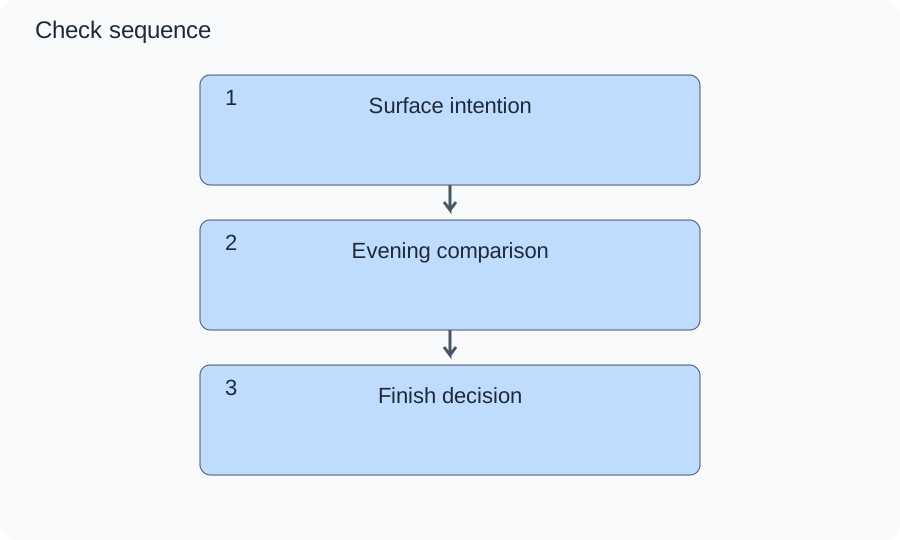
Use the sequence to choose the bed-wall focus, compare evening shadows and decide on a sample. Its evidence boxes remain unresolved until the real floor, bedding and lamp have been viewed together.
Numbers and marks identify the items described here; use the stated dimensions rather than measuring the screen.
1–3 refer to the evidence steps below. A highlighted step is selected, not automatically verified.
| Step / option | What to check |
|---|---|
| 1. Surface intention | Name one visual focus behind the bed. Remove proposed shelves from the first comparison. |
| 2. Evening comparison | Hold the bedside lamp position fixed and compare texture with smooth paint. Record distracting shadows rather than calling one style universally better. |
| 3. Finish decision | Approve a sample beside the floor and bedding at two times of day. Keep the paint reference and lamp condition together. |
Changed conditions and evidence
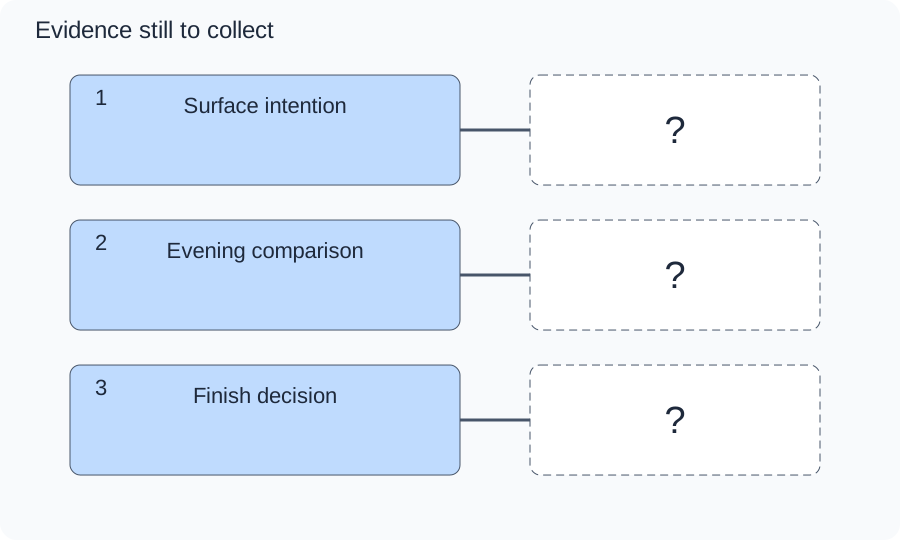
If the evening lamp makes a textured sample look much busier, compare smooth paint before adding more lights. This keeps fewer material effects but avoids solving decoration with still more decoration.
The question marks are evidence still to obtain, not a completed check.
Place the original guide’s at-least-600 mm sample beside the actual floor and bedding. View it morning and evening and photograph the same framing before choosing a finish; the sample size is a comparison method, not a standard.
TRY THE EXAMPLE
Accent Wall Ideas for Small Rooms: Color, Texture, Shelves
Assume a small bedroom needs a quieter background behind the bed rather than extra display storage. Compare one large paint sample with a shelf composition while keeping the bed and light positions unchanged.
Name one visual focus behind the bed. Remove proposed shelves from the first comparison.
Place the original guide’s at-least-600 mm sample beside the actual floor and bedding. View it morning and evening and photograph the same framing before choosing a finish; the sample size is a comparison method, not a standard.
Teaching assumptions, not a surveyed home or a construction check. Results describe this simplified geometry or budget only. Changes stay on this page and reset on reload.