Garage Conversion Room Layout: Guest Room, Office, Studio
Plan a garage conversion around insulation, daylight, zoning, storage, furniture scale, access, and flexible use as a guest room or office.
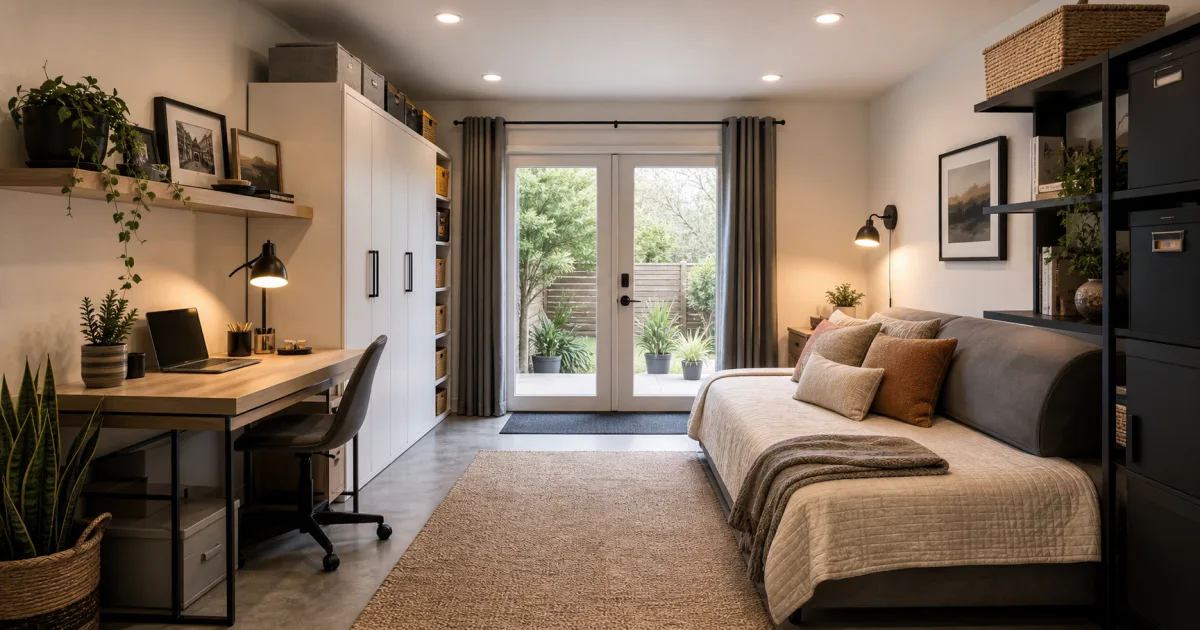
A garage conversion can become a guest room, office, studio, gym, or family room. The challenge is that a garage has different proportions, light, insulation, floor level, and storage needs from the rest of the house.
Good planning makes it feel like a real room, not leftover space with furniture added.
Confirm the Shell First
Before designing furniture, confirm local rules, structure, insulation, moisture control, heating, cooling, electrical capacity, and emergency access. A comfortable room starts behind the walls.
Once the shell is realistic, measure the clear interior and model it in Aedifex. Include doors, windows, steps, columns, utility panels, and the former garage door zone.
Choose One Primary Use
A single-car garage cannot be everything at once. Pick the main use:
- Guest room with sofa bed or full bed.
- Home office with storage and video-call background.
- Creative studio with worktable and supply wall.
- Family room with media and flexible seating.
Secondary uses should share furniture. A sofa bed, wall desk, or storage bench is better than three separate pieces fighting for floor space.
Bring in Daylight
Garages often need better windows or a redesigned door opening. Daylight makes the room feel legitimate and improves work or guest comfort. Use privacy treatments where the room faces a driveway or street.
Pair daylight with layered lighting: ceiling light, task light, and soft evening lamps.
Plan Storage for Old Garage Items
Converting the garage does not make tools, sports gear, and seasonal items disappear. Decide what moves to a shed, attic, wall cabinet, or tall storage run. If you ignore this step, the new room will inherit garage clutter.
Keep Furniture Low and Flexible
Garage rooms can feel long and low. Use low furniture, a large rug, and one clear focal wall. Avoid lining every wall with storage, which can make the room feel like a corridor.
For office use, pair this with the Home Office Layout Guide. For renovation scope and budget planning, read the Renovation Budget Planning Checklist.
Layout Ideas by Conversion Type
For a guest room, place the bed or sofa bed away from the former garage door if that wall still feels colder or less private. Add a small wardrobe, luggage surface, and reading light. Guests need fewer decorative pieces and more obvious places to put things.
For a home office, put the desk where daylight comes from the side rather than directly behind the screen. If the garage door opening becomes a large window, avoid placing the monitor in front of it. Use the brightest wall for storage or seating, and keep the video-call background controlled.
For a studio or hobby room, protect one long work wall. A garage often has enough length for a worktable, pegboard, storage drawers, and a cleanup zone. Keep messy storage behind cabinet doors so the room can still feel finished.
For a family room, use flexible seating and a durable floor. A low sofa, storage ottoman, and wall-mounted media unit can keep the center open. If the room is long, divide it into two zones instead of placing all furniture at the far end.
Comfort Details That Make It Feel Like a Room
Converted garages often fail at comfort before they fail at furniture layout. Floor level, drafts, acoustics, and ceiling treatment matter. A cold slab floor can make even a good layout feel temporary. Add insulation, a proper subfloor where appropriate, and rugs only after moisture is controlled.
Acoustics are also different. Hard floors, flat drywall, and a rectangular shell can create echo. Curtains, upholstered seating, bookshelves, rugs, and acoustic panels can make the space calmer without making it look like a studio booth.
Heating and cooling should be planned before furniture. A portable heater in the walking path or an AC unit blowing directly onto the bed will make the room unpleasant. Model vents, radiators, and equipment as real objects in the plan.
Access and Privacy
Think about how people enter the converted room. If the only access is through a utility area or kitchen, a guest room may feel awkward. If it has a separate exterior door, add a drop zone, exterior lighting, and a secure lockset.
Privacy depends on window placement and the relationship to the driveway. Use layered window treatments: privacy during the day, blackout or heavier coverage at night. Do not place a bed or desk where headlights shine directly at eye level.
Mistakes to Avoid
The first mistake is keeping too much garage storage in the new room. If bikes, tools, and bins remain visible, the conversion will never feel complete.
The second is using leftover furniture because the space feels secondary. The room may be converted from a garage, but it should not look like a storage overflow zone.
The third is ignoring permits and safety. Egress, insulation, electrical work, fire separation, and moisture control are not optional details. Confirm them before treating the project as decoration.
Garage Conversion Room Layout: Guest Room, Office, Studio
Assume a garage conversion is intended as a guest room with occasional desk use. Keep the old garage storage inventory visible before assigning any area to new furniture.
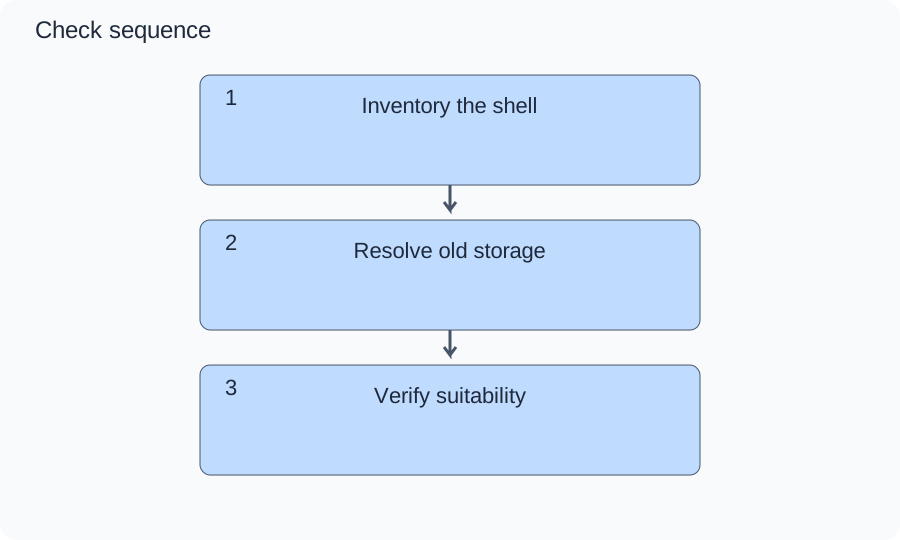
The workflow inventories the shell, resolves old storage and verifies conversion suitability. The evidence boxes request finished dimensions and professional findings before guest-room furniture is treated as a viable solution.
Numbers and marks identify the items described here; use the stated dimensions rather than measuring the screen.
1–3 refer to the evidence steps below. A highlighted step is selected, not automatically verified.
| Step / option | What to check |
|---|---|
| 1. Inventory the shell | Mark insulation buildup, equipment and the threshold on the existing shell survey. Keep the future furniture boundary inside the finished envelope. |
| 2. Resolve old storage | Assign a new destination to each tool and bulky stored item. Do not count the same corner for a bed and an unresolved storage pile. |
| 3. Verify suitability | Collect the professional findings on dampness, structure and permitted use. Stop the furniture proposal if an essential conversion condition remains unresolved. |
Changed conditions and evidence
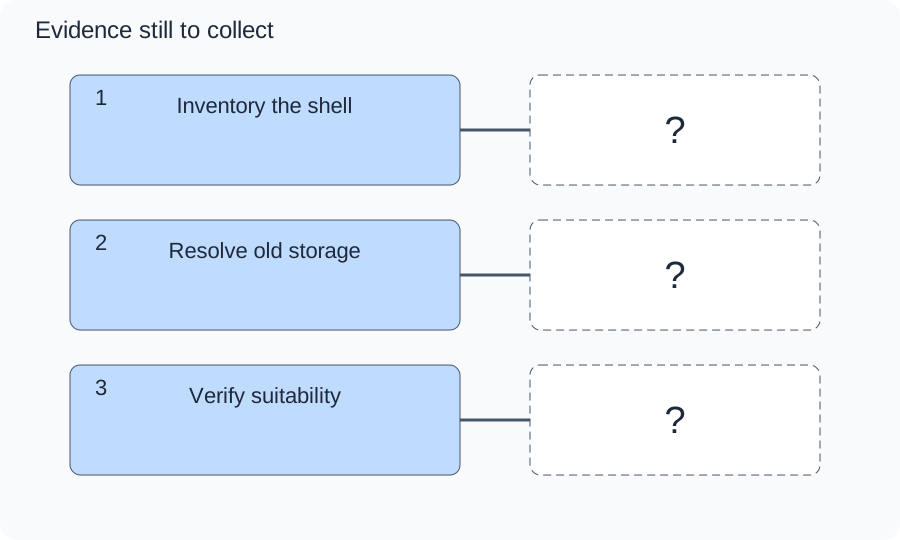
If the proposed finished floor creates an unresolved threshold or dampness problem, stop treating furniture fit as approval. Compare a revised envelope with a less intensive use, accepting reduced space or a different room purpose.
The question marks are evidence still to obtain, not a completed check.
Obtain measured finished dimensions and professional checks for legal conversion, moisture, structure and escape. Mock up bed and desk use only after those constraints are recorded; no wall removal or construction is authorized by this exercise.
TRY THE EXAMPLE
Garage Conversion Room Layout: Guest Room, Office, Studio
Assume a garage conversion is intended as a guest room with occasional desk use. Keep the old garage storage inventory visible before assigning any area to new furniture.
Mark insulation buildup, equipment and the threshold on the existing shell survey. Keep the future furniture boundary inside the finished envelope.
Obtain measured finished dimensions and professional checks for legal conversion, moisture, structure and escape. Mock up bed and desk use only after those constraints are recorded; no wall removal or construction is authorized by this exercise.
Teaching assumptions, not a surveyed home or a construction check. Results describe this simplified geometry or budget only. Changes stay on this page and reset on reload.