Indoor Plant Layout: Light Zones, Access, and Care
Arrange indoor plants by measured light, window distance, watering access, drainage, airflow, circulation, pet safety, and seasonal changes without clutter.
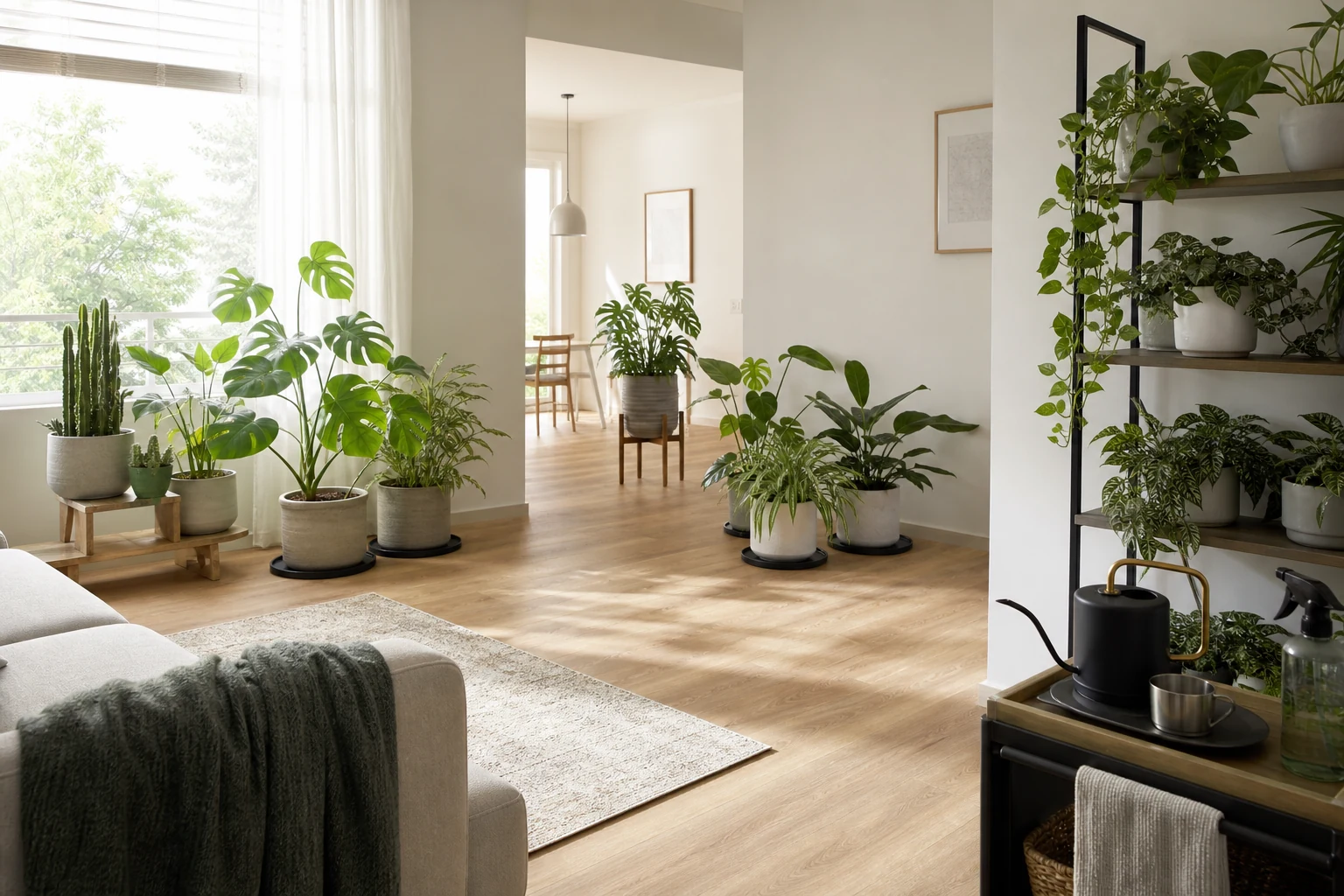
Indoor plants should be placed by usable light and care access, not by the empty corner that looks good in a photograph. A plant can block a window handle, damage a floor during watering, crowd a heater, or turn a clear route into a slalom. Map light, water, airflow, growth, and human movement before building a large collection.
Measure Light Instead of Naming the Room
“Bright room” and “low light” are vague. Light intensity changes rapidly with distance from a window and varies by direction, glazing, balconies, neighboring buildings, curtains, season, and time of day. Use a reliable light meter or a calibrated app as a screening tool, then observe the plant’s response over several weeks. Follow species-specific horticultural guidance.
Measure at leaf height in the exact intended location, with normal curtains and furniture in place. Record morning, midday, and late-afternoon conditions. Direct sun through glass can overheat leaves even when the room feels cool. Conversely, a north-facing window blocked by another building may provide less light than expected.
Draw Three Practical Light Zones
Create a high-light zone close to an appropriate window, a medium indirect-light zone farther back or beside it, and a lower-light zone for tolerant plants. These are management groups, not universal plant prescriptions. The depth of each zone changes by season; winter may shrink the useful window zone substantially.
Keep a simple plan with measured readings and plant names. Group plants with compatible needs so blinds, watering, and supplemental lighting can be managed together. Do not fill every bright location immediately; leave space for growth and quarantine.
Protect Window Operation and Heat Sources
Maintain access to handles, locks, blinds, and cleaning. Leaves should not be crushed every time a curtain closes. Keep pots away from cold glass where winter temperatures damage roots and foliage, and away from radiators, fireplaces, and strong supply vents that cause rapid drying.
Curtains must retain safe clearance from heaters. A plant stand should not become a climbing route to an open window for a child or pet. Check that large foliage does not conceal condensation, mold, or a water leak at the sill.
Plan for the Plant’s Mature Size
Measure the expected mature canopy and pot, not the nursery size. A small tree may double in width, while a climbing plant needs a trellis and a maintenance route. Preserve room around leaves so air can move and people do not brush them daily. Crowded foliage increases inspection and pest-control difficulty.
Use height in layers: stable floor plants, a mid-height bench or shelf, and hanging plants only where structure and head clearance are confirmed. Avoid a dense “plant wall” if it blocks outlets, ventilation, or the only cleaning route. Freestanding shelving must resist tipping when pots are watered unevenly.
Create a Watering Route
Map the trip from tap to every plant with a full watering can. If the route crosses a laptop, pale rug, or narrow stairs, move the plant or create a closer refill point. Group thirsty plants near the route and drought-tolerant plants where access is less frequent. Do not group solely by visual style.
Every pot needs a drainage strategy appropriate to the plant. Use waterproof saucers or cache pots sized to contain runoff, with protective pads compatible with the floor. Empty standing water promptly. A decorative basket is not waterproof unless it contains a proper liner and pot system.
Protect Floors, Walls, and Furniture
Lift pots enough to inspect beneath them. Moisture trapped under a saucer can mark timber, stone, and painted surfaces. Keep leaves and wet soil away from walls if they create staining. Heavy planters should sit on a load-appropriate, stable base; use furniture sliders only if they remain stable and floor-safe.
Place a washable mat or tray at the potting and pruning station, not under every plant. Store soil, fertilizer, gloves, ties, and pest-control tools in sealed, labeled containers away from children and pets. Follow product instructions for all treatments.
Keep Human Circulation Clear
Plants often accumulate at window ends, room corners, and beside sofas—the same places used for curtain access and turning. Preserve the main route and sightline. A large leaf should not strike a person’s face when they stand from a chair. Floor pots must not narrow an accessible path or create a hidden trip edge.
In an open-plan room, use one or two plant groups to frame zones rather than scattering small pots across every surface. The furniture traffic-flow guide helps protect routes while using plants as soft boundaries.
Add Grow Lights Deliberately
Supplemental light can support a dark location, but it adds power, glare, heat, wiring, and timer management. Choose equipment designed for horticultural use, follow manufacturer mounting distances and electrical guidance, and provide a stable, ventilated fixture. Do not clip a heavy light to an unstable shelf.
Use timers to create a repeatable cycle without illuminating a bedroom at night. Shield glare from seated eyes and neighboring windows. Route cables away from watering, robot vacuums, pets, and walkways.
Plan for Pets and Children
Many common houseplants can be irritating or toxic when eaten. Check authoritative local veterinary or poison-control guidance for every species and household animal; do not rely on a generic “pet-safe” display label. Place hazardous plants out of reach only if leaves cannot fall into the accessible area.
Secure tall stands and hanging hardware. Avoid top-heavy pots at the end of a sofa where a child can pull them. Store fertilizer, systemic treatments, sharp tools, and loose support stakes in secured storage.
Use a Seasonal Rotation
Re-measure light when seasons, curtains, trees, or neighboring construction change it. Move plants gradually to brighter conditions to avoid scorch. Keep a temporary quarantine location with adequate light and separation for new or affected plants. A rotation cart can help, but its parked position must not block the room.
Model Care, Not Just Styling
Build the room in Aedifex with windows, curtain travel, heaters, mature canopies, stands, watering route, grow-light cables, and circulation. Simulate opening every window, watering the farthest plant, cleaning behind pots, isolating a pest, and moving a mature container.
Use the room planner to compare concentrated groups with scattered arrangements. The best composition is the one that keeps every plant observable and the room easy to use.
Indoor Plant Layout Checklist
- Measure light at leaf height, at several times, with normal curtains in place.
- Group compatible plants into high, medium, and lower-light management zones.
- Preserve window, curtain, heater, vent, outlet, and cleaning access.
- Draw mature canopy, pot, trellis, and maintenance space.
- Create a safe tap-to-plant watering route and drainage plan.
- Protect floors and walls, and inspect beneath pots regularly.
- Keep main walking and accessible routes clear of pots and leaves.
- Install grow lights with safe structure, glare control, timers, and cable routing.
- Verify plant, fertilizer, and treatment safety for children and pets.
- Reassess the plan by season and keep a quarantine position.
Plants improve a room when care remains easy. Once the light and maintenance map works, use the interior planner to balance plant groups with furniture and register to save the seasonal layout.
Indoor Plant Layout: Light Zones, Access, and Care
Assume three existing plants need reassignment after a desk moves near the window. The task is to map observed light and a workable watering route, not infer plant suitability from a room name.
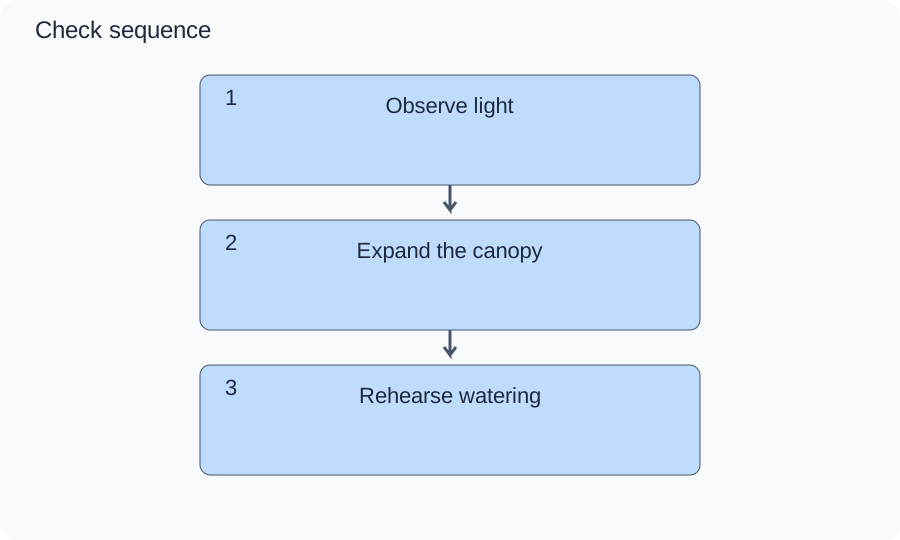
The steps observe light, expand the assumed canopy and rehearse watering. Evidence for light suitability and human access is collected separately, rather than assigning care requirements from pot position.
Numbers and marks identify the items described here; use the stated dimensions rather than measuring the screen.
1–3 refer to the evidence steps below. A highlighted step is selected, not automatically verified.
| Step / option | What to check |
|---|---|
| 1. Observe light | Observe each proposed pot position at the same selected times. Record shading and species needs separately instead of writing only “bright room”. |
| 2. Expand the canopy | Draw the expected leaf spread around each pot and open the window. Move a group if leaves obstruct its handle or a person rising nearby. |
| 3. Rehearse watering | Carry an empty watering can from the tap and inspect each drainage tray. Reject a care route that requires dripping across plugs or moving a seated person. |
Changed conditions and evidence
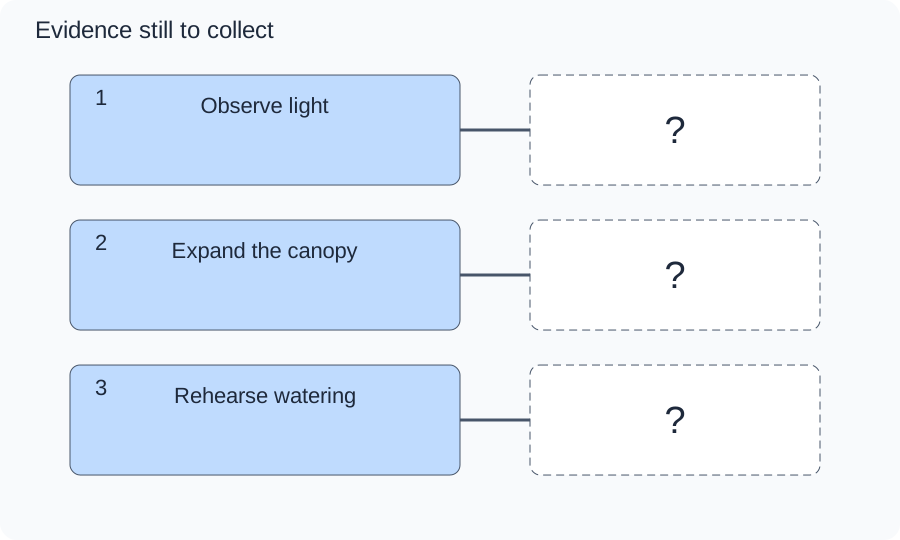
If a grouped display blocks a window handle or drips across the work route, split the group or change its stand. The styling becomes less concentrated, but access and spill management improve without claiming the plant will thrive.
The question marks are evidence still to obtain, not a completed check.
Observe light at the plant position at several ordinary times and identify each species’ care needs from suitable references. Carry the real empty watering vessel along the route and inspect drainage protection before watering.
TRY THE EXAMPLE
Indoor Plant Layout: Light Zones, Access, and Care
Assume three existing plants need reassignment after a desk moves near the window. The task is to map observed light and a workable watering route, not infer plant suitability from a room name.
Observe each proposed pot position at the same selected times. Record shading and species needs separately instead of writing only “bright room”.
Observe light at the plant position at several ordinary times and identify each species’ care needs from suitable references. Carry the real empty watering vessel along the route and inspect drainage protection before watering.
Teaching assumptions, not a surveyed home or a construction check. Results describe this simplified geometry or budget only. Changes stay on this page and reset on reload.