Rental Apartment Design Ideas Without Renovation
Upgrade a rental apartment with removable finishes, freestanding storage, better lighting, rugs, curtains, and flexible layouts.
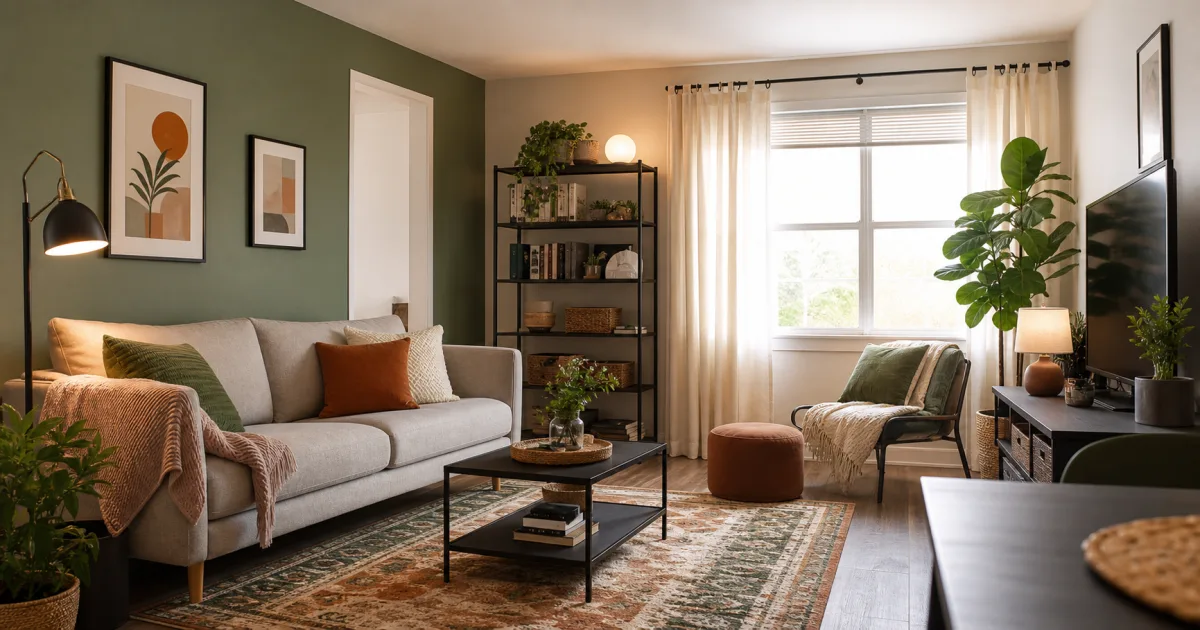
Rental design is a different discipline from renovation. You are not trying to rebuild the apartment. You are trying to make it work better while keeping the lease, deposit, and future move-out in mind.
The best renter-friendly changes are reversible, useful, and easy to move. Plan them like a system instead of buying one decorative fix at a time.
Fix the Layout First
Most rentals improve before anything is installed. Move the largest furniture away from blocked windows, doors, and outlets. Create one clear route from entry to kitchen, bedroom, and balcony.
Use Aedifex to test the sofa, desk, bed, and storage at real size. A layout check prevents the common renter problem: buying a shelf or table that fits the wall but ruins the path.
Use Freestanding Storage
Freestanding storage can solve clutter without touching built-ins. Choose pieces that fit several future homes:
- Open shelving with boxes for mixed items.
- A wardrobe rail for rooms without enough closet space.
- A storage bench near the entry.
- A sideboard that can become media storage later.
Keep heights varied. One tall piece, one low piece, and wall-mounted hooks often look calmer than several medium cabinets lined up.
Upgrade Light Without Rewiring
Poor lighting makes rentals feel temporary. Use floor lamps, plug-in sconces, table lamps, and rechargeable lights where wiring is impossible. Put task light where real activities happen: cooking prep, reading, desk work, and makeup.
For small rooms, layered lighting matters more than a statement pendant. See Lighting Design for Small Rooms for a fuller checklist.
Add Soft Boundaries
Rugs, curtains, folding screens, and bookcases can divide zones without construction. In a studio, use a rug for the living area and a curtain or open shelf to soften the bed zone.
Avoid blocking all daylight for privacy. Sheer curtains plus a separate blackout layer are often more flexible than one heavy curtain.
Choose Removable Finishes Carefully
Peel-and-stick products can help, but quality varies. Test a small area first, especially on old paint or textured walls. Use removable film on cabinet panels, adhesive hooks within weight limits, and framed art instead of many small holes.
When a change affects the wall, floor, or door, photograph the original condition. Design should make daily life easier, not create move-out stress.
For more compact-space planning, start with Small Apartment Design or the Interior Design solution page.
Start with the Lease and Move-Out Plan
Before buying anything adhesive, drilled, painted, or oversized, read the lease and photograph the apartment. Note wall condition, floor scratches, cabinet damage, window hardware, and existing holes. Good rental design should improve the home without creating a deposit argument later.
Create two categories: safe changes and permission changes. Safe changes include rugs, lamps, freestanding storage, curtains on existing rods, furniture layout, removable art, and textiles. Permission changes include painting, new hardware, drilling into tile, changing blinds, or replacing light fixtures.
If a change must be reversed, store the original parts in a labeled bag. Cabinet pulls, outlet covers, curtain brackets, and old shade hardware are easy to lose during a move.
High-Impact Rental Upgrades
Lighting is usually the fastest improvement. Add warm lamps at three heights: floor, table, and wall or shelf. A room with bad overhead light can feel completely different once the corners are lit.
Window treatments are the second upgrade. Even if the existing blinds stay, curtain panels can soften the room, improve sleep, and make ceilings feel taller. Mounting may require permission, so no-drill brackets or tension solutions can help.
Storage is third. Rentals often lack built-ins where people need them most. Add a freestanding wardrobe, entry shoe cabinet, kitchen cart, or sideboard. Choose pieces that can work in a future home so the money is not tied to one lease.
Layout Before Decor
A rental often feels bad because the layout is unresolved, not because the finishes are ugly. Move the sofa, bed, desk, and dining table before buying decor. Check where daylight lands, where outlets are, and how people move from door to kitchen to seating.
In studios, create soft boundaries with rugs, curtains, screens, and shelving. Keep at least one clear path from entry to window so the apartment does not feel blocked.
Mistakes to Avoid
The first mistake is covering every problem with peel-and-stick products. Some products remove cleanly; others damage old paint or leave residue. Test first.
The second is buying furniture that fits only this apartment. Very specific corner desks, huge sectionals, or odd storage towers may become expensive moving problems.
The third is ignoring the landlord conversation. A polite request with photos and a promise to restore can sometimes unlock paint, curtain rods, or fixture swaps that are safer than secret changes.
What Is Worth Taking With You
Spend more on portable improvements: lamps, rugs, curtains, freestanding storage, art, chairs, and compact tables. Spend less on apartment-specific fixes that may not survive the move, such as custom adhesive panels for one cabinet size or shelves that fit only one awkward niche. A rental design budget works best when most purchases can improve the next home too.
Rental Apartment Design Ideas Without Renovation
Assume a renter wants a calmer entrance and better reading light without permanent renovation. Start with items already owned and the lease’s actual restoration conditions, not with a product advertised as removable.
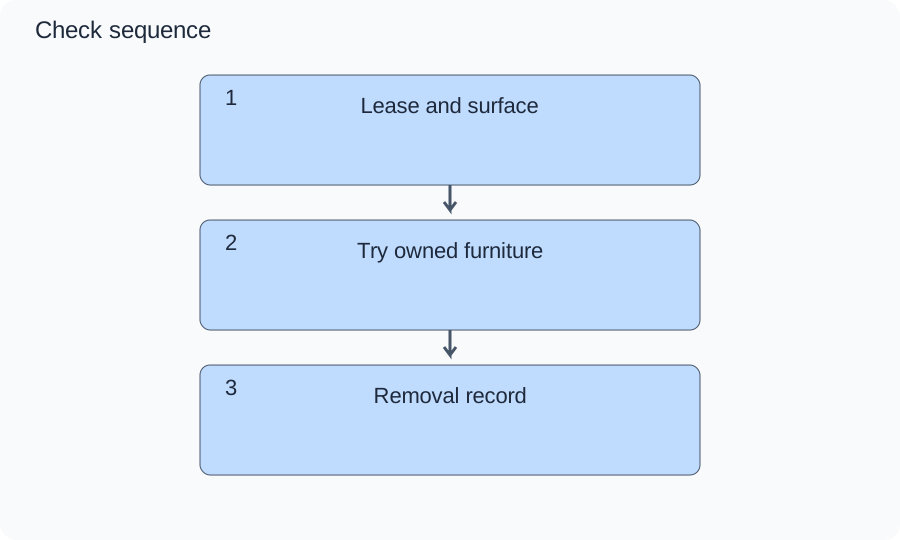
Review the lease and substrate before trying owned furniture and documenting removal. The evidence figure needs permission where required and a safe installation method, including any mandatory anti-tip fixing.
Numbers and marks identify the items described here; use the stated dimensions rather than measuring the screen.
1–3 refer to the evidence steps below. A highlighted step is selected, not automatically verified.
| Step / option | What to check |
|---|---|
| 1. Lease and surface | Photograph the actual wall or frame and read the relevant lease clause. Obtain any required written permission before choosing a fixing method. |
| 2. Try owned furniture | Reposition the owned light and storage without bypassing required anchoring. Test reading and arrival before deciding another item is necessary. |
| 3. Removal record | Keep the product removal instructions and surface photographs with the permission record. Reject an installation whose safe fixing or restoration method is unresolved. |
Changed conditions and evidence
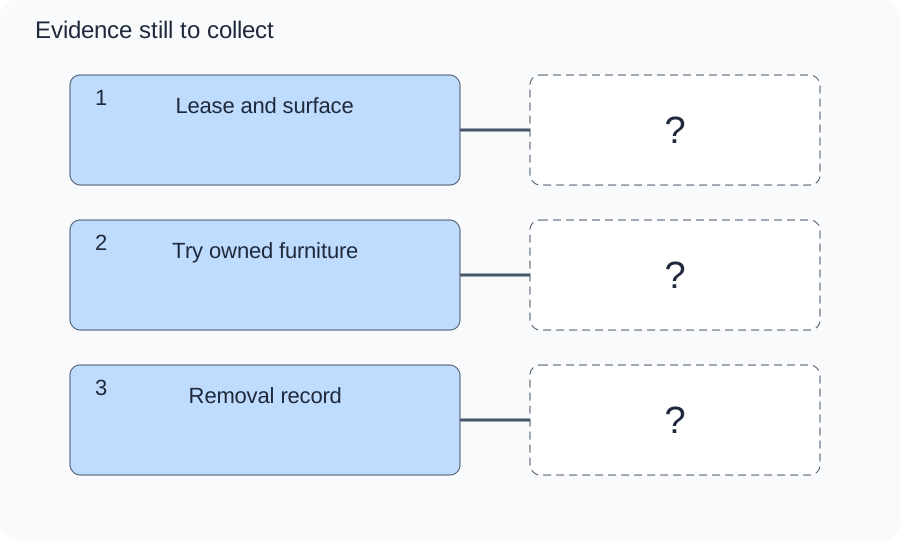
If a chosen light or storage unit requires a forbidden fixing, compare an appropriately stable alternative with another location. Do not remove required safety hardware merely to preserve the claim of no renovation.
The question marks are evidence still to obtain, not a completed check.
Photograph the existing surface and record written permissions where required before installation. Rehearse the reading and arrival routines with the actual furniture, then keep removal instructions with the items you intend to take away.
TRY THE EXAMPLE
Rental Apartment Design Ideas Without Renovation
Assume a renter wants a calmer entrance and better reading light without permanent renovation. Start with items already owned and the lease’s actual restoration conditions, not with a product advertised as removable.
Photograph the actual wall or frame and read the relevant lease clause. Obtain any required written permission before choosing a fixing method.
Photograph the existing surface and record written permissions where required before installation. Rehearse the reading and arrival routines with the actual furniture, then keep removal instructions with the items you intend to take away.
Teaching assumptions, not a surveyed home or a construction check. Results describe this simplified geometry or budget only. Changes stay on this page and reset on reload.